
A critical essay on universal law and conditional morality in the Torah
Translated as “law,” the Torah presents itself as a system of moral order—yet operates as a study in moral contradiction.
Law is rooted in moral philosophy. The Torah therefore functions as a moral text.
Beginning as mythic stories about creation, the text presents a moral framework that addresses the totality of human experience. This universal scope gradually narrows into a localized system of social law. While morality may not be universal from a human perspective, a benevolent creator implies a moral system that is total in scope.

Genesis begins with a universal moral scope. With God’s creative hand stretching over all creation, there are no exemptions to his power or will. It functions as a classic mythological tale—complete with talking animals, an active deity, and clear central figures. Through myth and narrative, these stories present clear and consistent moral lessons. Cain and Abel serve as an allegory for the evils of murder, Sodom and Gomorrah as a warning against moral corruption, and Noah’s Ark as a lesson in obedience to God’s will. These examples do not apply solely to the individuals within the stories, but establish moral conditions for all human behavior. Whether one agrees with them or not, these stories are presented as universally applicable moral principles. This shifts by the end of Genesis, when the covenant made between Abraham—and later Isaac and Jacob—distinguishes one lineage as deserving of God’s favor, thus dissolving the universality of the text.

The covenant God forms with the Jewish people distinguishes them from the rest of humanity as especially favored. While this is not unique to religious systems, the abrupt shift from universality to localization creates a moral paradox. With God’s moral attention now selective, the separation between those chosen and unchosen becomes explicit. When morality is conditional on membership, it ceases to function as universal philosophy.
The Jewish escape from Egypt in Exodus, while operatically grand, is also symbolic of their continued separation from their neighbors. The God of the Torah, though all-powerful, does not free his people through universal decree, but through intervention in human conflict. Unlike the acts of destruction in Genesis, described by God as a punishment for his creation having gone astray, God acts against Egypt specifically in favor of his chosen people. Though God is described as the creator of the earth, his authority is no longer applied uniformly to humanity, but toward a specific covenant.
After achieving freedom, the moral narrowing of the early Israelites becomes apparent in Leviticus, where Moses acts as emissary to a God deeply invested in the daily life of a single group. Interspersed among laws for governance and social cohesion are clearly localized prescriptions that speak not to universality, but to a highly codified social order. Through highly specified practices of animal sacrifice, we see not a universal morality, but a system in which moral obligation is formed from a sense of localized duty to a specific social order. Furthermore, acts universally understood as immoral, such as murder and rape, are stratified within a system of law and regulated differently depending on context, status, or group membership. This highly codified system of local morality becomes most apparent when Israelite law is applied to those outside the covenant.
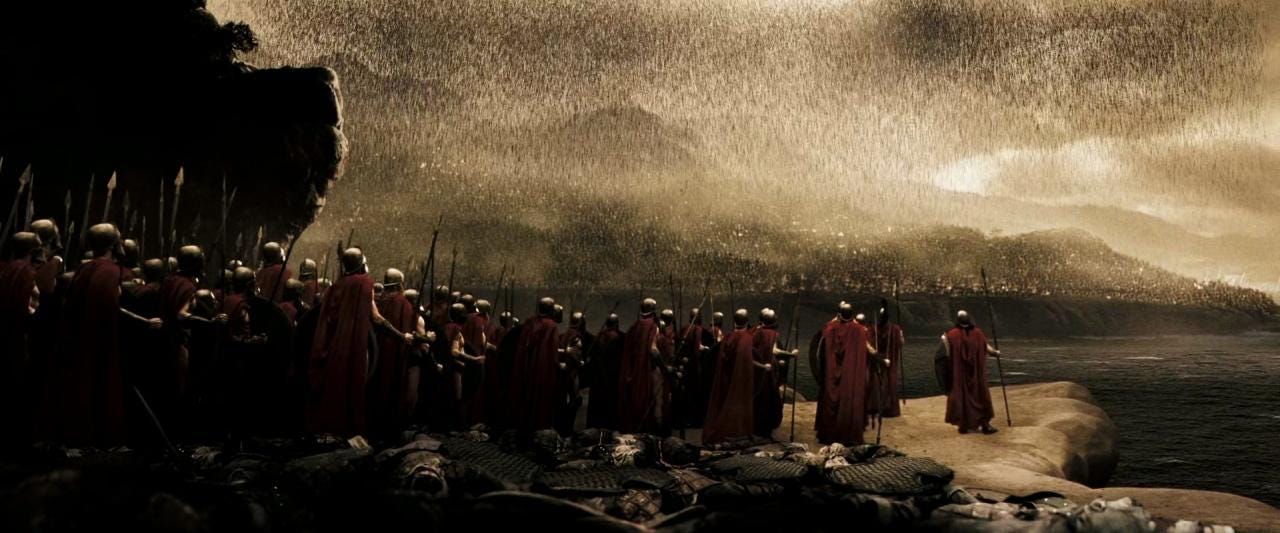
In Numbers and Deuteronomy, the application of these local laws to outside groups is first enacted. The manner in which the Israelites take their land from the peoples living there at the sword showcases a system in which divine authority sanctions actions in favor of the in-group. The common English translation of putting them “under the ban” refers to the total destruction of enemy cities, including men, women, children, and livestock. These narratives, presented as divine command, show how conditional morality is applied to those beyond the covenant, permitting actions against the out-group. This stands in direct contradiction to a universal moral framework, as its morality is, by definition, encoded within a bloodline.
Do we share a moral framework for right and wrong? The belief in a universal creator implies a non-local moral authority. However, the localization of moral systems creates exemptions contingent on membership, producing a clear us/them divide. If a system of morality is built on this framework, universality is untenable. If the rules apply to thee but not to me, then the structure of that moral system is non-universal.
If we share a creator, then by definition, we share a moral code. But if our morality cannot be applied universally, can any claims of universal moral authority still hold meaning?